Fencing Contractor Insights: Licenses, Codes, and Regulations
The first time I drew a fencing license, I treated it like a supply run before a backcountry climb. I inspected my map, marked water resources, and packed a little additional of whatever. Advantage I did. The city drew an exposure triangular at an edge great deal that shaved six feet off our intended return run. Had we set blog posts to the initial format, we would certainly have removed twenty feet of all new fence and eaten a week of hold-up. That is exactly how permitting goes. The terrain is never rather what the brochure promised.
If you are a house owner, residential or commercial property supervisor, or a Fencing Contractor trying to tighten up your process, the policies around fences are much less a single codebook and more a jumble of jurisdictions and exemptions. The technique is not remembering every statute. The technique is finding out just how to browse them rapidly, make judgment calls in the area, and keep your job moving without surprises.
Where the guidelines in fact live
Every fencing draws a crowd of stakeholders, each with a piece of authority. On a basic country project I look at city or county zoning, the building division, public jobs, the HOA, utility easement holders, and often state transport or ecological agencies. In coastal locations I have actually responsed to coastline administration. Near airport terminals I have dealt with height and wildlife hazard regulations. In wildfire areas there are extra products and clearance needs. That sounds like a lot because it is, but you do not pull every thread to the end on every task. You learn which ones pull back.

Municipalities normally establish elevation, location, and opacity standards, with different sections for front backyards, edge great deals, and swimming pool barriers. Building divisions weigh in when a fence does architectural job, such as maintaining dirt, when a fence works as a swimming pool obstacle, or when heights cross thresholds that activate review. Public works authorities anything near sidewalks, alleys, or sightlines. HOAs include architectural regulations, often concerning style, elevation, and color. Easements produce unnoticeable no-go hallways that stun individuals more than anything else. If you construct across a water drainage easement, expect a stop-work order and a stressful morning.
Out in the country, it can be quieter, yet not rule-free. Area regulations, floodplain overlays, and state fencing laws still have a say. In country neighborhoods, CC&R s can be equally as strict as a city HOA.
When a fencing needs a permit
The normal triggers are height, place, and unique usage. Most places allow you construct a yard fencing to 6 feet without a license, as long as it is not in front of the home's front frontage. Several cap front lawn fencings at 3 to 4 feet, usually 50 percent open. Corner whole lots get presence triangles at junctions that reduced allowed elevation for security. A city might call for 30 feet gauged along both streets from the edge, forming a triangle in which any kind of fence must be low and translucent.
Pool barriers constantly need authorizations and evaluations. The language differs, however I regularly see minimum obstacle heights of 48 to 60 inches, optimum ground clearance around 2 inches, and anti-climb details like straight rails separated so a child can not ladder up. Gates has to be self-closing, self-latching, and swing out from the swimming pool. I have actually seen assessors show up with a 4-inch round to check openings and then a stop-watch for the self-close.
Combine a fencing with a retaining wall surface and you probably require a permit. Some cities deal with anything over 4 feet determined from grade to the top as a framework that needs stamped drawings. If the grade steps along the line, dimensions comply with the low side, not the standard. That matters. I saw a do it yourself contractor shed an appeal since he balanced three ups and downs, after that learned the code gauged the tallest segment.
Historic areas add a twist. A 3-foot picket is not the like a 3-foot functioned iron reproduction of a pattern last actors in 1905. Historical boards appreciate accounts, spacing, and the luster of new metal. Expect an evaluation duration gauged in weeks, in some cases months, and a need to match existing streetscape details.
The bones under the boards
Behind every tidy fencing line is a collection of architectural calls that you only appreciate after a couple of storms, a freeze-thaw cycle, and a season of soil swell. Building regulations occasionally sit quiet concerning residential fences, after that holler for wind areas or commercial runs. I account for 3 physics troubles on virtually every work: uplift and rescinding from wind, frost heave, and soil stress if there is a quality change.
In coastal cyclone areas, a 6-foot solid panel imitates a sail. I have had structure authorities request for engineering on long, continuous runs. We have upped article sizes from 4x4 to 6x6, changed to steel posts sleeved in wood, and increased embedment deepness with bigger grounds. In Miami-Dade and comparable jurisdictions, some Fencing Contractors function from checked item authorizations that information spacing, bolts, and lots. Inland, a pasture gust on a winter months day can do more damages to a low-cost panel than a summer wind, so wind exposure is not simply a coastal problem.
Frost deepness matters if your ground freezes. In the Midwest, I sink blog posts to 42 inches or more to get below the frost line. Setting a post 24 inches deep looks penalty in August. By March it has crept up a fifty percent inch and fractured the concrete collar. Bell the bottom of the hole or flare the ground to withstand uplift. Use tidy, well-graded crushed rock for water drainage at the base to maintain the post pocket from turning into a frost jack.
Soils dictate concrete method. In thick clay, I often dry-pack the leading 6 inches with tamped belonging to lose water far from the message. In sandy loam, I prefer a complete pour and a dome on top. In expansive dirts, I inspect obstacles with the geotech if we are near a piece or a swimming pool deck, due to the fact that water entraped at the fencing line can do ugly things to flatwork.
If a fence functions as a guard along a drop, or edges a business outdoor patio, you might locate on your own in guardrail territory. Then you remain in the land of concentrated loads, baluster spacing for youngster safety, and handrail extensions. Draw an authorization. Draw the information. Rest better.
Anecdotes from the field
On a tight city whole lot, we changed a chain relate to a cedar privacy fencing. The neighbor's garage rested an inch off the line. The old chain link had bowed around it. The proprietor desired a straight run that overlooked the bump. Study revealed the garage intruded by 3 inches at the eave. We can have required a relocation, but the price would certainly have been ruinous to a retired next-door neighbor. We composed an encroachment arrangement, recorded it, and tipped our brand-new run out by 4 inches for six feet, then back. Examiners valued the paper trail, the owner obtained a straight appearance where it mattered, and every person slept without legal representatives circling.
Another job sat over a tangle of private energies behind a dining establishment. Public situates repainted the lot in five shades, after that stopped. The owner vowed the oil line embraced the building. We vacuumed 2 message openings and discovered the line exactly where our tractor would certainly have chewed it. Losing a day to potholing beat losing a month to a closure and repiping.
One more, a swimming pool surround a gusty canyon. The plan showed a strong panel for privacy, however the inspector flagged climb possibility due to the fact that straight rails were established on the public side of a stepped quality. From the trail, kids can stroll up the rails. We turned the rails to the inside, added a 3-inch kick void with steel mesh, and cut a tree arm or leg that linked the void. Gate equipment got childproof latches 54 inches high. It passed, the wind moaned, the fencing held, and the proprietor still sends a holiday note.
Building an authorization packet that cruises through
A tidy, full submittal seems like cresting a ridge and seeing the lake. You still have to trek down, but at the very least you understand where you are headed. For many household fencings, I prep the same core set of files, customized to the whole lot and jurisdiction.
Checklist for a strong authorization package:
- A site plan attracted to scale that reveals residential property lines, structures, driveways, sidewalks, easements, and the precise fencing alignment with measurements and setbacks.
- Elevations or information that specify height, products, blog post sizes, bolts, and gate turn direction with latch elevations for pool barriers.
- Photos of existing conditions, especially on edge lots or near crossways, with notes on exposure triangulars and slopes.
- A copy of the survey or a notarized next-door neighbor contract if structure on a shared line, plus any kind of HOA approvals.
- A short scope narrative that calls out special problems like maintaining segments, floodplain notes, or wildfire compliance.
The evaluations on permit kinds trigger more migraines than they should. If the city bases fees on work value, checklist a reasonable market cost, labor and products. Undervaluing welcomes a strategy check bounce. Miscalculating inflates your cost. I include straight footage, height, and materials so the customer has context. A lot of permit costs I have paid range from 50 to 500 dollars for typical household work, with plan check of a few company days. Historic or ecological overlays can extend evaluation to four or 6 weeks.
If a fence ties into a preserving wall surface, I connect wall surface details with drainage and weep openings, and I specify which section of the wall surface, if any type of, will certainly be constructed as part of our scope. If the wall is existing, I photograph it and add a note that we verified sound problem. This basic action has actually saved me 2 field disputes when inspectors wished to know whether the wall can take rail posts.
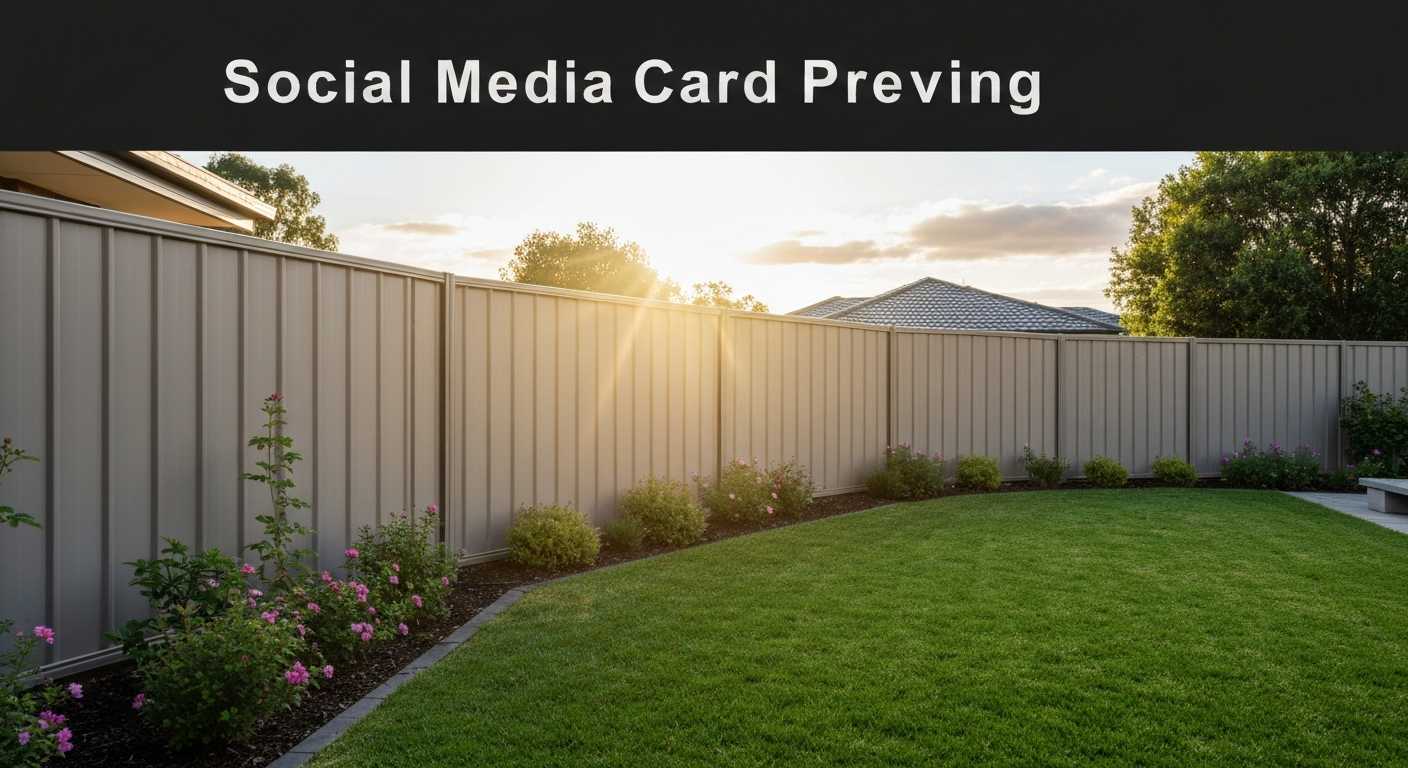
Inspections and what examiners actually look for
A lot of house owners envision a stiff onslaught. In the majority of cities, you get a pre-pour or post-hole inspection, after that a final. For pool barriers, you typically obtain a different barrier evaluation, occasionally with the pool last. What examiners want is not a fight. They wish to see that you developed what you drew and that it will certainly not hurt anyone.
At pre-pour, examiners examine hole deepness, spacing, dirt condition, and rebar if specified. I see to it the openings are pierced, clean, and safe to walk near. Cones or barrier tape increase since twisted ankle joints create poor days. If we are near a pathway or street, I shield the sides with plywood.
For pool obstacle finals, I anticipate measuring tape, latches examined to self-close and self-latch from partly open, and a consider climbable attributes near the fencing like benches, rockwork, or trellis within 36 inches. Inspectors lug gauges to check openings, frequently a 4-inch sphere, and they look hard at voids under gateways and at inclines that create unintended ladders.
On a straight residential privacy fencing, finals are about height compliance, setbacks, and craftsmanship. A fence that waves like a ribbon might pass, however it spots your track record as a fence installer. I extend string lines and look for plumb. If a downhill run requirements tipping, I plan those steps on paper, not on the fly.
The border line is not a suggestion
Boundary conflicts are slow-moving poison. Prevent them like you prevent sketchy ledges. I draw the most recent survey when the line looks tight, pins are missing, or a neighbor elevates an eyebrow. Home loan studies are far better than absolutely nothing, but if a structure is close to the line, I desire a present border study. The expense, commonly 500 to 1,500 dollars for a regular lot, is more affordable than a relocation or a lawsuit.
When pins are hidden, we penetrate thoroughly or bring a steel detector. If we can not validate, we quit, confer with the owner, and select between a survey or a traditional setback inside the line. I have seen great deal lines drift 6 to 12 inches from what a homeowner thought. That drift can wreck a gate plan.
Shared fences bring shared expectations. Some cities enforce cost-sharing policies. Others avoid of it. I such as created next-door neighbor contracts that establish height, design, upkeep, and who owns which deal with. Without that, a person will certainly repaint your cedar a pumpkin shade a year from now and claim they were helping.
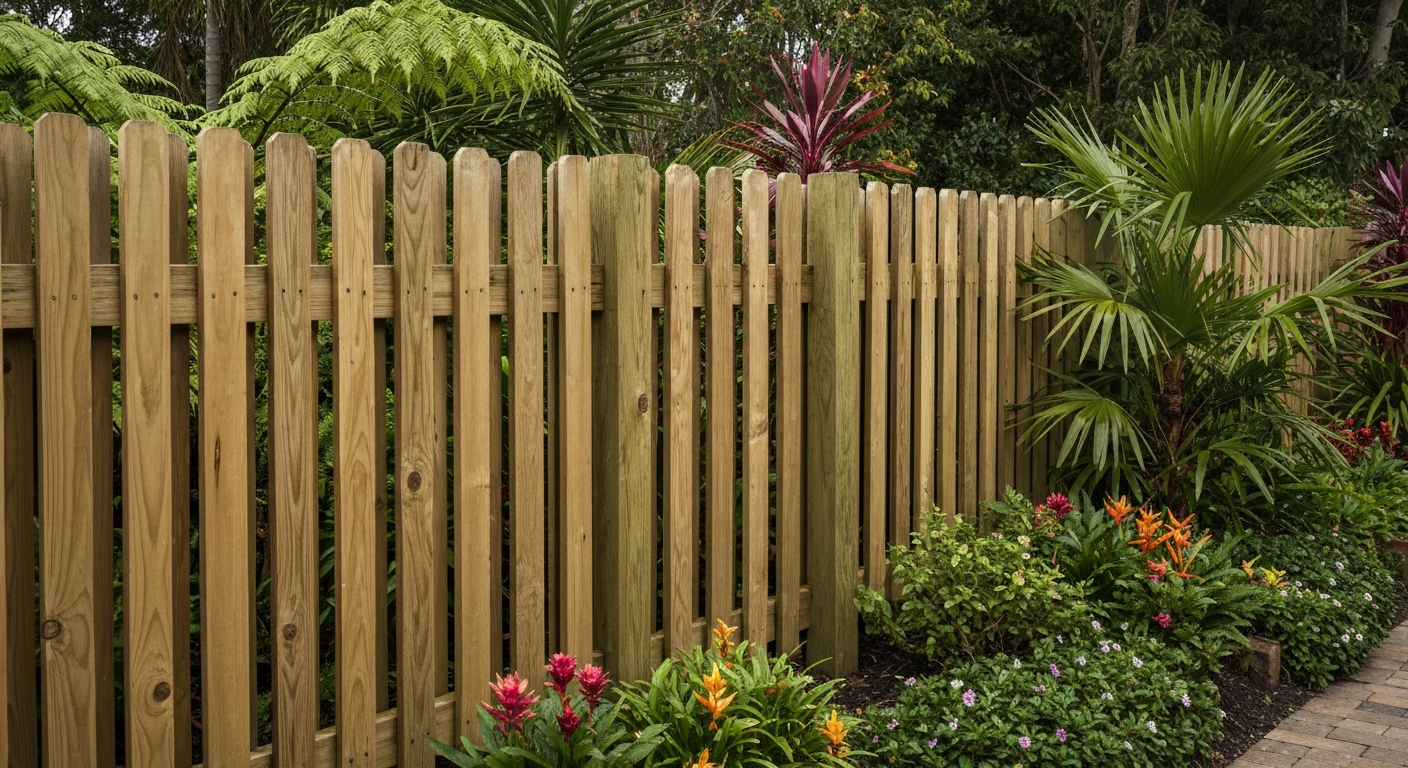
Easements and the unseen fence you can not cross
Public energy easements are old legal rights that keep up the land. They let crews gain access to buried lines and often forbid irreversible frameworks. A fence is not specifically irreversible, yet it is real sufficient that a crew with a backhoe will certainly treat it like a rate bump. If you build throughout an easement, you approve that somebody may reduce and lay down a section without notification. Better yet, avoid building in the easement if neighborhood policies require it.
Drainage easements matter equally as much. A swale that brings area overflow requires clear flow. Location a strong fence throughout it without a culvert or gap and the first electrical Find more info storm will merge water versus your messages and a person's structure. I establish fencings alongside swales or bridge them high with open areas that pass flow. In some communities, public works needs 6 inches of clearance under fence panels across assigned drainage lines. Somewhere else, they call for a specific culvert size. Check out the plat. If it claims water drainage, do not pretend it says landscaping.
Private utilities add a second layer. 811 situates public lines to the meter. Afterwards, barbecue grill stubs, landscape lights, electrical to a shed, or a French drain line are private. A Fence Company that never holes a suspicious line will eventually find out the odor of raw sewage or the cost of new fiber decrease. On business websites, I generate a personal utility locator if there is any doubt.
Materials, environment, and code meet in the wind
Materials are not simply looks. In a north climate with roadway salt, galvanized chain link outlasts a cheap steel decorative panel with thin powder layer. In a coastal environment, stainless hardware with a NEMA grade latch maintains you from replacing icy gateway locks every winter season. In wildfire zones, some codes require fireproof secure fencing for the initial 5 feet from the framework. I have mounted steel or stonework returns at houses with wood fencings beyond that noncombustible zone. That brief run has most likely saved roofings in ash storms.
In hurricane alley, plastic personal privacy panels can imitate parachutes. Some Fencing Contractors spec perforated or shadowbox layouts to soothe stress. Where codes permit, I set break-away sections in the lengthy, uninterrupted runs that can be reattached after a storm. It is less complicated to change twenty feet than to reconstruct a toppled hundred feet where one domino fell into the next.
Cedar and redwood step with moisture. Space boards with that in mind. In a completely dry climate, tight now implies gapped by midsummer. In a damp one, boards swell and buckle if you establish them flush. Codes do not resolve this subtlety, but your callbacks will. The most effective fence installer in a town recognizes just how wood moves on that specific hill, with that said details mid-day sun.
Commercial job elevates the bar
Commercial fences bring a various collection of scrutiny. Schools and childcare facilities have minimum heights, usually 6 feet, and anti-climb requirements like less straight grips. Ballfields could require bottom rails or security panels to avoid pass-throughs. Several cities prohibit barbed cable or razor wire within a certain distance of public methods, or limit it to commercial areas, and after that only above a specific height.
Electrified security fences stay in a special code globe. Anticipate UL 69 or similar criteria, maximum voltage rankings, distinct or aesthetic alarm systems, and signs at fixed periods. One circulation yard I worked with required indicators every 30 feet with 1-inch high letters. The fire department additionally wanted a Knox lock on the gate and a kill switch plainly marked.
Access entrances can activate fire code. Clear sizes, hands-on release mechanisms, and fail-safe open on power loss may be called for. Add vehicle detection loopholes and suddenly your fence project has an electric license riding along. Coordinate very early and keep your electrician in the loop.
Timelines and cash, without hopeful thinking
Real timelines defeat positive ones each time. A straightforward domestic permit commonly takes 2 to 10 business days. Include HOA review and you can add one more week or 2. Historic testimonial can extend to a month or more, particularly if conferences fall when regular monthly. Business strategy checks take longer. A practical begin date builds trust. I inform clients an array, then promote the very early end and keep them updated.
Fees differ. I have paid 60 bucks in a small town and 480 in a big city for the same linear video. If strategy examine hours are billed, expect a price in the 80 to 160 bucks per hour array, though the real review generally clocks under 2 hours for residential. If you require engineering, budget plan 600 to 2,500 dollars for a stamped detail, even more if soil reports or wind calcs get involved.
Neighbors include cost in unexpected ways. If you split a fencing with 2 next-door neighbors, line lengths and designs rarely match completely. One desires cedar, the various other wants chain relate to privacy slats. You either construct transitions or two different runs. Price and routine each run as its very own work, after that wed them in the field. Do not presume one check covers both.
DIY or employ a pro, and that draws the permit
Building your very own fence can save cash, but permits and examinations add intricacy. Some cities will just let proprietors or qualified service providers pull authorizations. If you go do it yourself, make sure your name gets on the application and you prepare to meet assessors on website. If you hire, find out whether the Fencing company pulls authorizations or anticipates you to. A reputable Fence Company typically includes allowing in their scope, with costs travelled through and time accounted for.
Ask for certificate and insurance details. A Fencing Contractor need to carry basic liability and employee's comp. If an article hole collapses and a worker obtains pain, you do not want that insurance claim on your home owners policy. Good Fence Contractors understand their neighborhood code landscape. They bring proven information, have connections at the permit counter, and avoid the oddball hardware that falls short inspections.
A basic course that maintains you out of trouble
Five steps I give every property owner before we dig:
- Pull or order a recent survey if lines are unclear, after that mark suggested fence lines with paint and flags for neighbor review.
- Call 811 and, if needed, an exclusive locator, after that gap questionable spots before you auger.
- Check local code for height, obstacles, edge triangles, swimming pool and WUI regulations, then validate HOA approvals in writing.
- Prepare a clear license package with scaled site strategy, elevations, materials, and entrance information, and checklist a sensible valuation.
- Schedule evaluations proactively, get on website to answer questions, and take pictures of hole midsts, support, and latch elevations for your records.
Avoidable pitfalls and small judgment calls
Planting blog posts right against a concrete piece looks clean, up until rainfall sprinkles debris right into the gap and you get irreversible discolorations. I carry out 1 inch, secure the piece side, and run a little gravel strip for drain. On steep drives, swinging an entrance out right into a slope catches tires. I establish swing internal and step the lower rail to clear the arc. In freeze country, I do not put concrete over quality on blog posts. I crown it and cover with dirt to minimize water pooling around the blog post. Those little options maintain fencings straight and proprietors happy.
Corner great deals method also experienced staffs. Exposure triangulars seldom appear on common online representations. I take a tape and mark the triangle on the ground, then take pictures for the documents. If an organizer informs me 25 feet and a plan mosaic says 30, I construct for 30. You will certainly never shed rest building to the more stringent standard.
Communication with next-door neighbors is worth the time. I stroll the line with them, call out tree roots, show where we will certainly cut, and note watering lines that go across. I bring irrigation repair service parts in the vehicle. Taking care of a cut line right away, for 12 dollars partly and 10 mins of job, can turn a grumble into a say thanks to you.
When the code is vague, select a long lasting story
Not every circumstance has a neat citation. You may discover 2 code sections that do not fairly concur, or an area problem no one listed. In those moments, I choose I can protect with images, a clear security reasoning, and a note on the plan. I talk with the examiner early. I prefer to hear no theoretically than in the field with wet concrete.
One winter months, we constructed a 7-foot sound screen near a pathway. Code capped front backyard elevation at 4 feet but permitted taller with a half open style. We used a louver pattern that looked solid from your house and open from the walkway. We brought a sample panel to the counter. The reviewer gauged the web open area and wrote an authorization note right into the authorization. In the field, the inspector had that note in hand. The proprietor obtained the privacy they wanted, we got a tidy sign-off, and the pedestrians kept their sightline.
Final ideas from the much side of many fences
Permits and codes are not barriers. They are topography. Review them like a map, plan your line, and move with intent. The very best fencing installer I know never ever extols faster ways. He brags about tasks that still look sharp 10 years later and next-door neighbors that wave when he drives by. That is the north star.
Whether you are calling three Fence Contractors for proposals or preparing to hand an authorization package to a city clerk, treat the rules with the respect you would provide a river going across in springtime. Measure twice, review again, and bring a back-up strategy. The fence you develop will certainly stand in tornados, catch shadows in the afternoon, and define the quiet rooms where people live. Do it right, and the code official comes to be an ally, the next-door neighbor brings coffee, and your line runs real from pin to pin.